Teaching Strategies

Damon Finazzo
Vice President of Learning Research & Design
The Student-Community Relationship: How Relevance and Identity Prepare Students for the Future
Published
Last updated
For our final relationship on this pathway towards a future-ready generation, we look at the Student-to-Community relationship. The end goal of any education system is to empower and prepare students to envision a positive and productive future for themselves, making them ready for the future when it arrives. However, when we look back at the data and research around student belonging and their learning dispositions, I am not sure that it is fair to expect a student to envision a positive future when they are struggling to have a positive outlook on things in the present moment. Currently, they do not see the sense in learning math, nor do they believe that giving steady effort to learn math pays off in the long run, and they definitely do not see themselves as effective learners of math or want to become a mathematician any time soon.
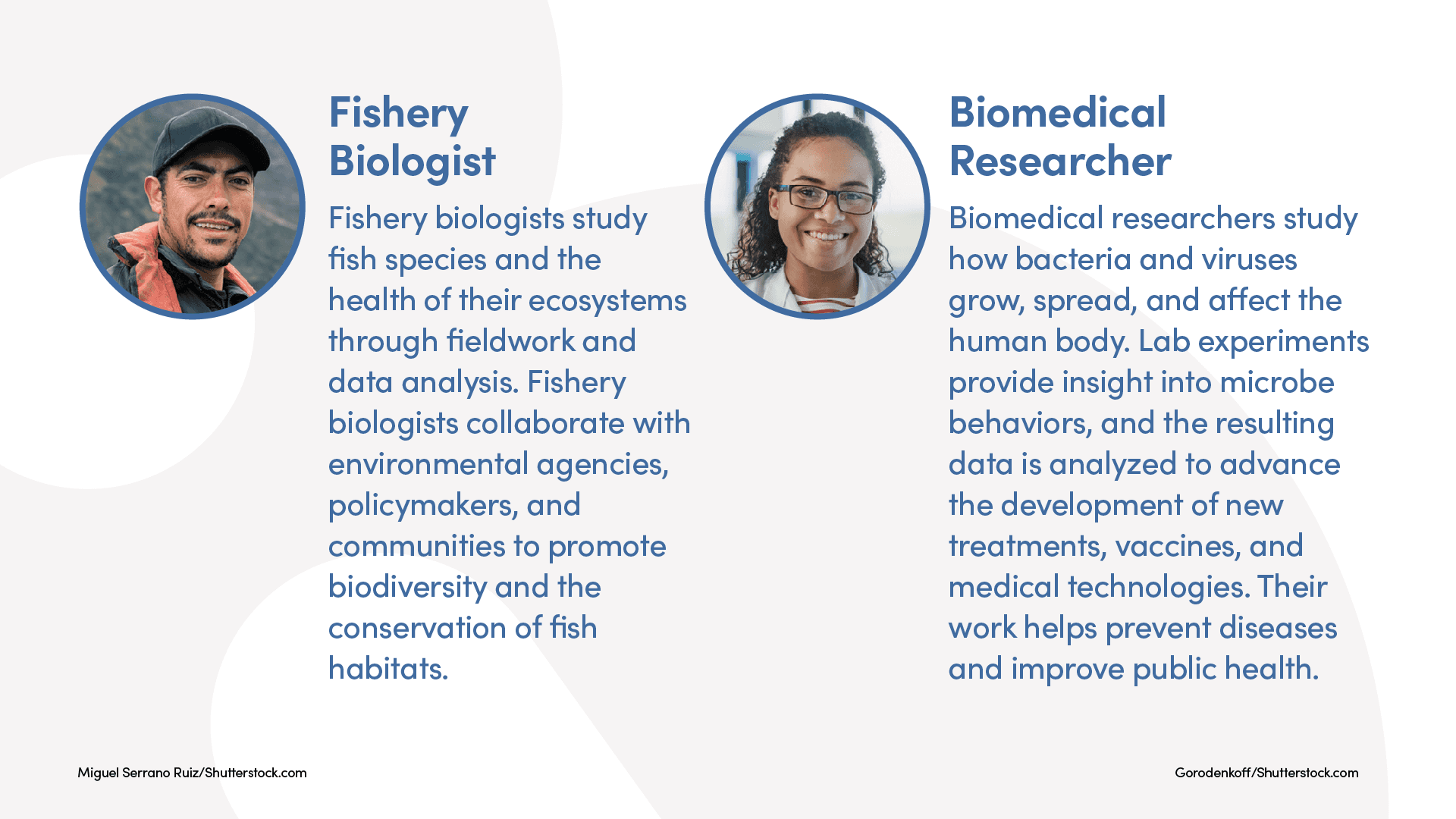
Despite the poor productive disposition data, we also have hopeful findings: students are motivated by content that feels meaningful, when it connects to careers, financial success, and adult independence. To address these issues, we must provide our students with opportunities to see math as not only part of a productive future for other people, but importantly, as part of their productive future. Our students need to see successful mathematicians they can relate to and see themselves in, so they can successfully use their imagination to envision their own future. Then, that same student will be motivated to learn and engage in school and begin to set goals to achieve along this pathway towards the future.
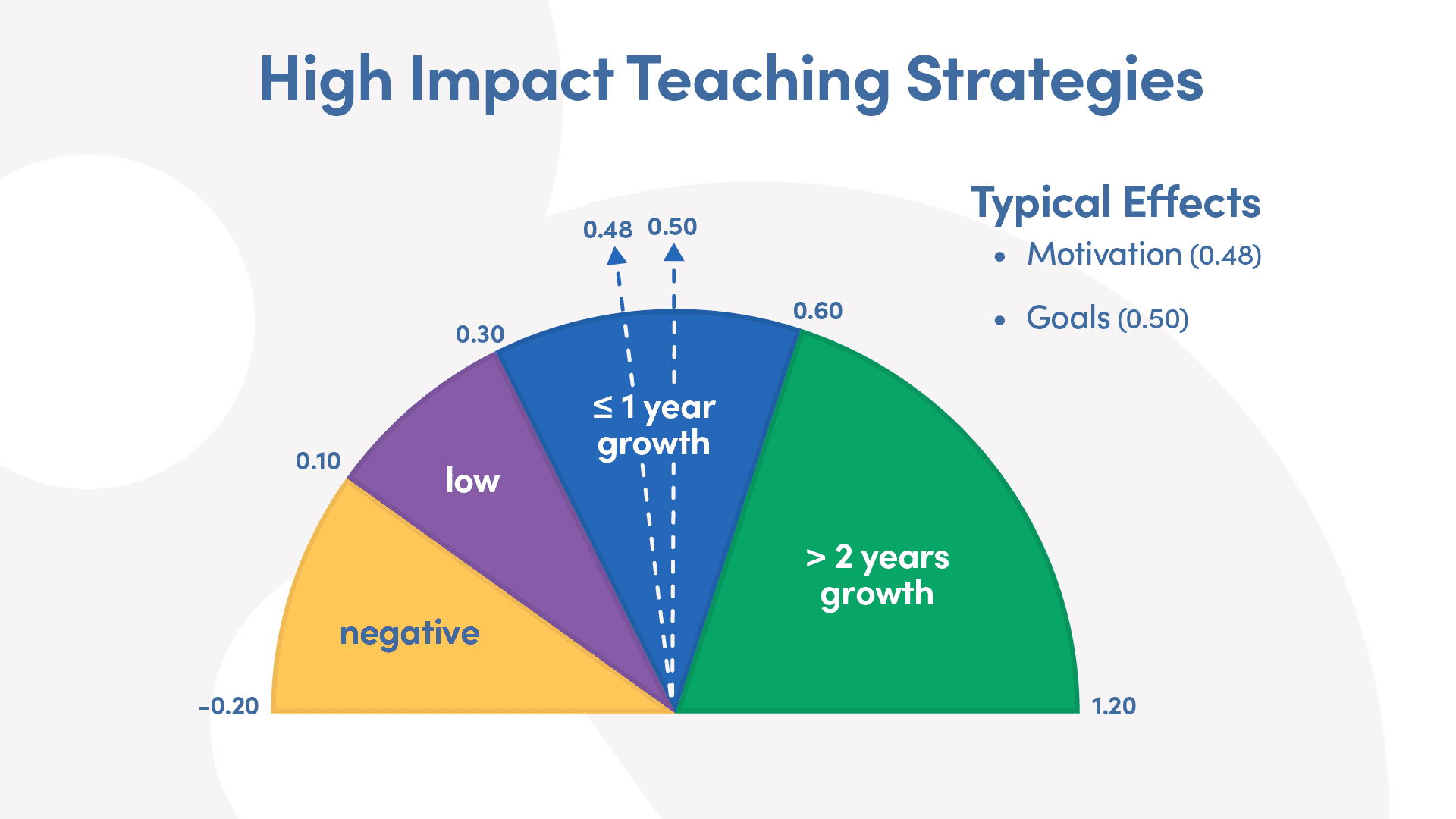
The research affirms the importance of this work. Positive student attitudes toward math, strong motivation, and personal goal-setting each contribute up to one year of learning growth, and those outcomes depend, in large part, on whether students can see a version of themselves in the subject they are being asked to master.
Maximizing Educator Impact on Students’ Learning Outcomes
As educators, we can impact many things, but time is not one of the things that we have a lot of control over. So, we must do our best to maximize the positive impact we have on student learning in the limited time we have.
Focusing on the six essential relationships depicted in the chart below along with the high impact strategies that are associated with them, represent some of the most research-backed, purposeful efforts we can make in support of student learning.
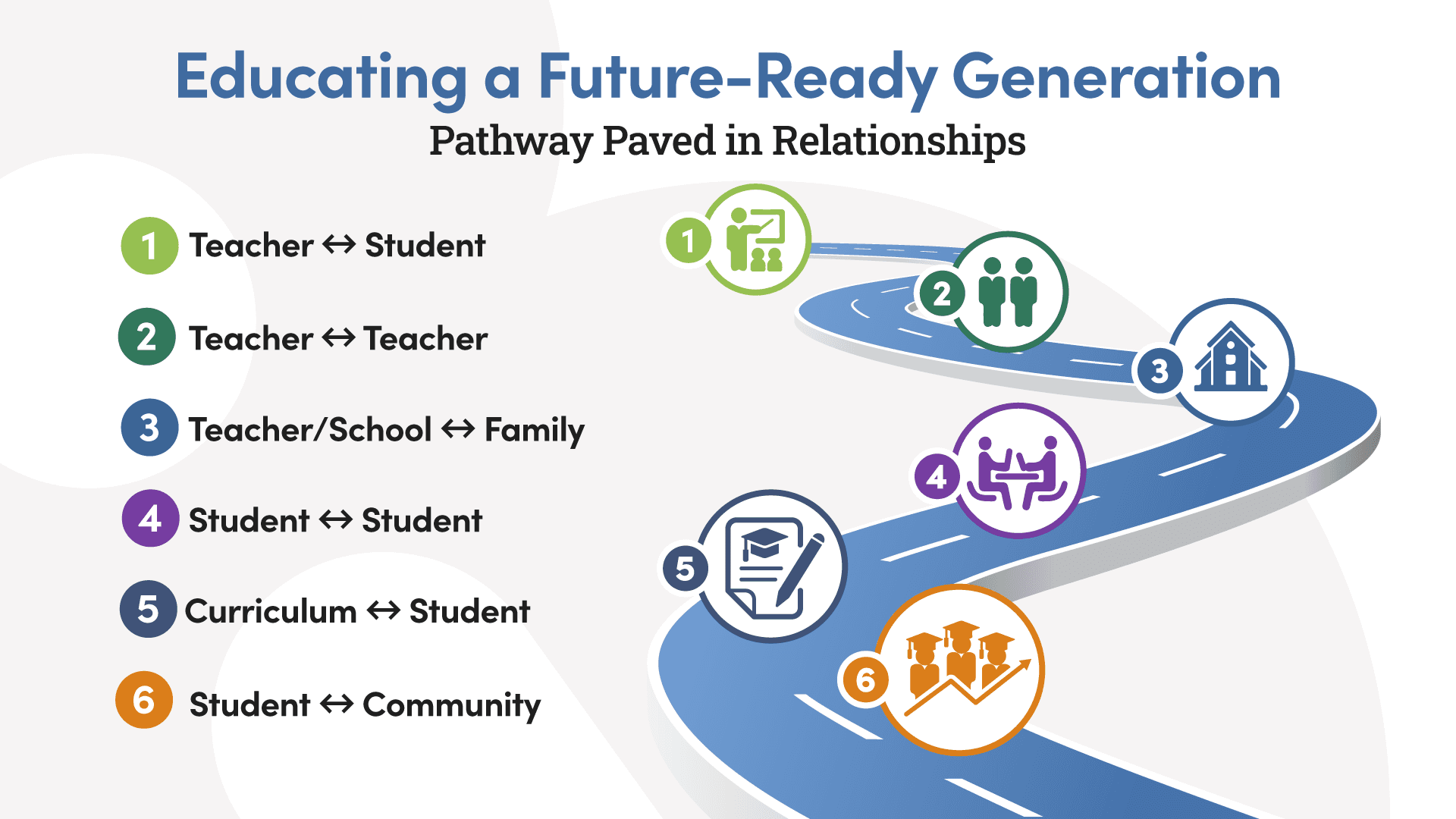
When making the next educational decision in your district, school, and/or classroom, consider how it maps to these relationships. Make sure your decision represents the most effective use of time, energy, and expertise as we strive for our ultimate goal – a future-ready generation.
Preparing students for the future is not the result of a single program, practice, or initiative. It’s the work of an interconnected system of relationships that surrounds and supports every learner, every day.
Meet the Expert

Damon Finazzo, M.Ed. is the Vice President of Learning Research & Design at Big Ideas Learning and is an education leader who has served in a variety of roles over the past 24 years, some of which include elementary school teacher, PreK-8 principal, and president of a PreK-8 Catholic school system.
He holds instructional (K-6) and administrative (N-12) credentials from the Virginia and Pennsylvania Departments of Education, and a Master’s of Education in School Leadership and Supervision (N-12) from Virginia Commonwealth University.
Damon’s experiences in working in PK-12 schools and educational publishing for PK-16 mathematics has proven him to be a collaborative, thoughtful, and compassionate leader focused on teachers, students, and community with an educational philosophy grounded in three fundamental principles: belief, motivation, and service.
References
Visible Learning For Mathematics, Grades K-12. Hattie, Fisher, Frey, ©2017 by Corwin.